Architecting the Future of Performance Coaching
Building an AI-native ecosystem that bridges physiological data, coaching logic and high-performance UX
The Design Challenge
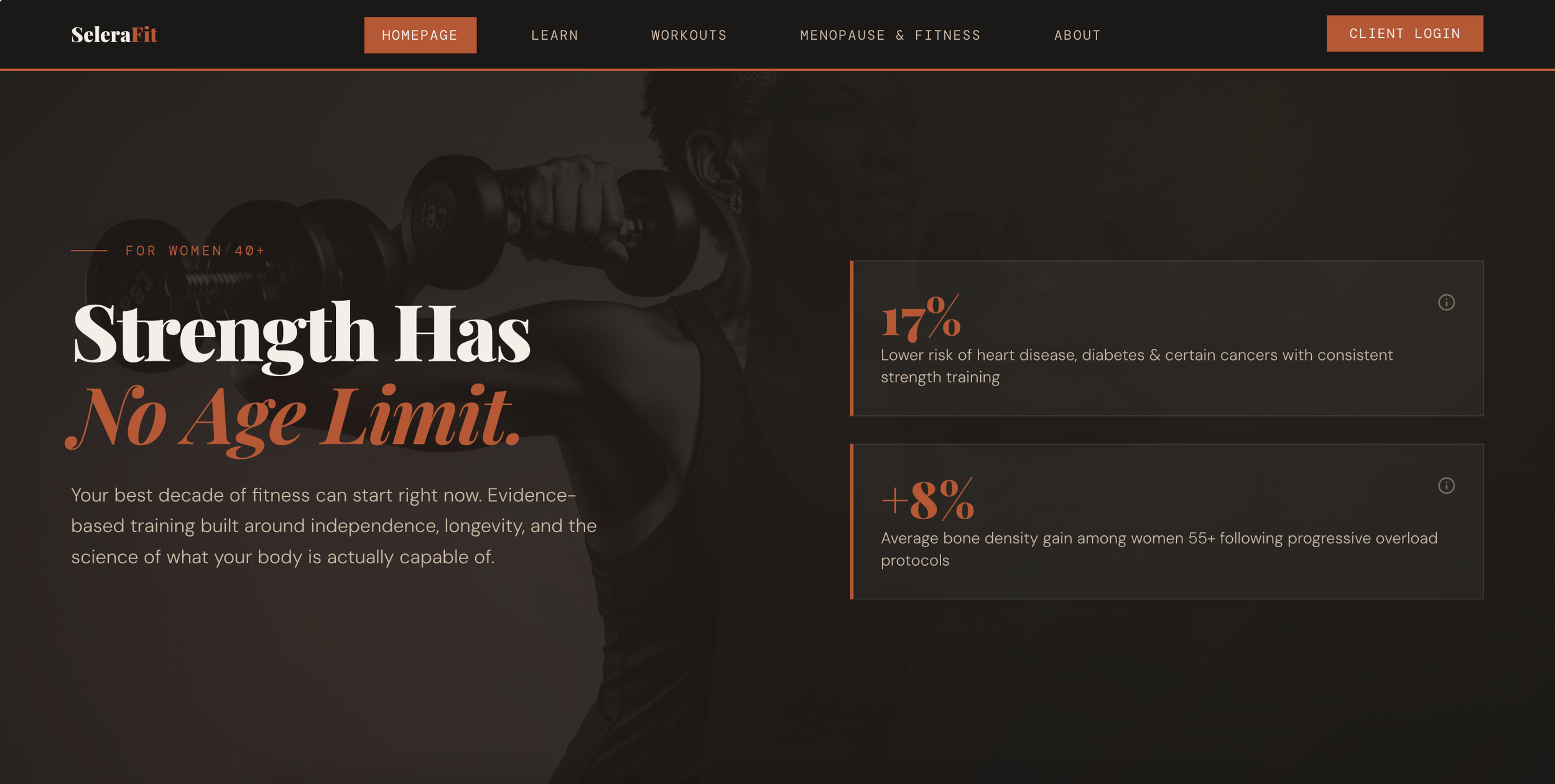
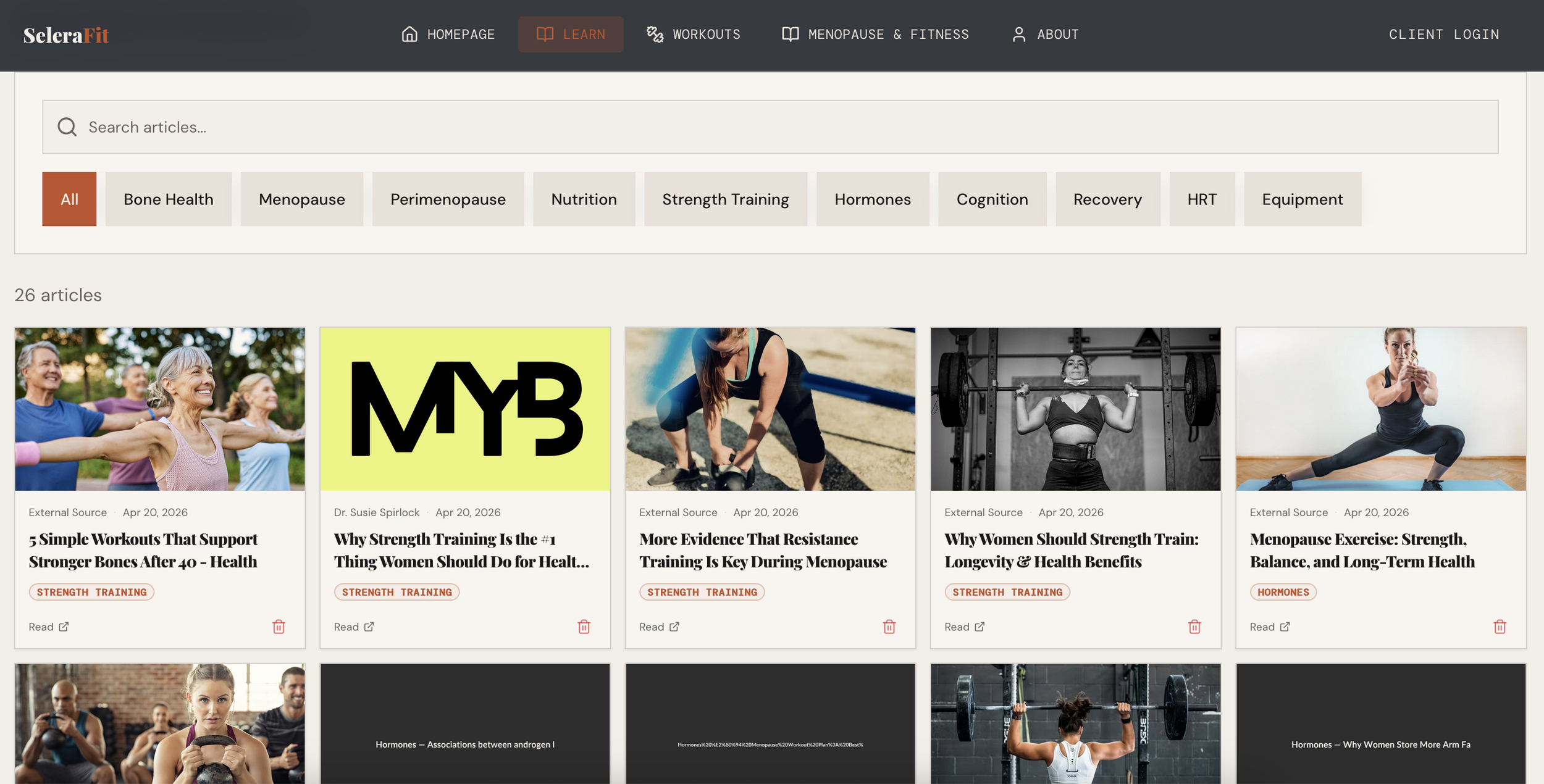
As an ISSA-Certified Personal Trainer and a UX Leader, I saw a fundamental breakdown in the fitness tech market: the "Data Silo" problem. Coaches spend more time syncing spreadsheets than coaching, and athletes are drowning in metrics without meaning. I built SeleraFit to prove that a unified, AI-driven data schema can reduce administrative overhead by 50% while accelerating athlete "Time to Insight".
Project Context: 0-to-1 Product Development & Technical Research Lab
Role: Product Lead & UX Architect (SME: ISSA Certified Run Coach)
The Strategic Foundation
The Subject Matter Expert. Leveraging ISSA-based periodization and endurance coaching principles to define product requirements.
The Systems Architect. Utilizing 10+ years of experience in GovTech and EdTech (DoD, Pearson, Stride) to build a scalable, secure data infrastructure.
The Modern Stack. Powered by Supabase and Lovable, creating a real-time, AI-augmented feedback loop that bypasses traditional development bottlenecks.
The Challenge
From Data Fatigue to Performance Clarity
Most fitness apps focus on the workout. SeleraFit focuses on the workflow. I identified three core friction points in the current endurance ecosystem:
- Manual Syncing: Athletes shouldn't have to be data entry clerks.
- Generic Progressions: "One-size-fits-all" plans lead to injury and burnout, especially in the 40+ demographic.
- The Feedback Gap: The lag between a completed workout and a coach's review.
Core Feature Deep Dives
A. High-Density Data Visualization
The UX Problem: Standard heart rate and pace graphs are difficult to interpret while "in the red" (during high-intensity training).
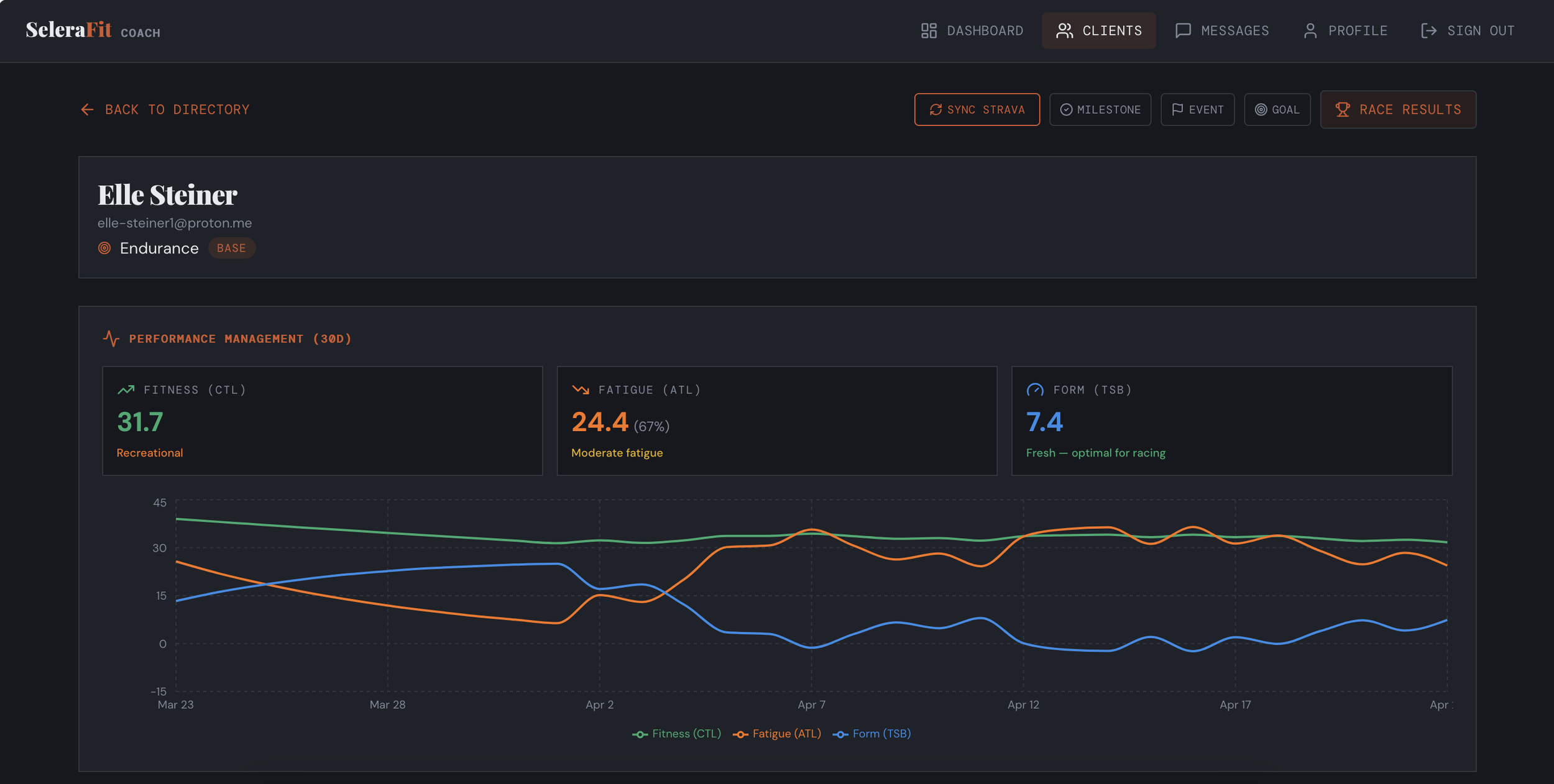
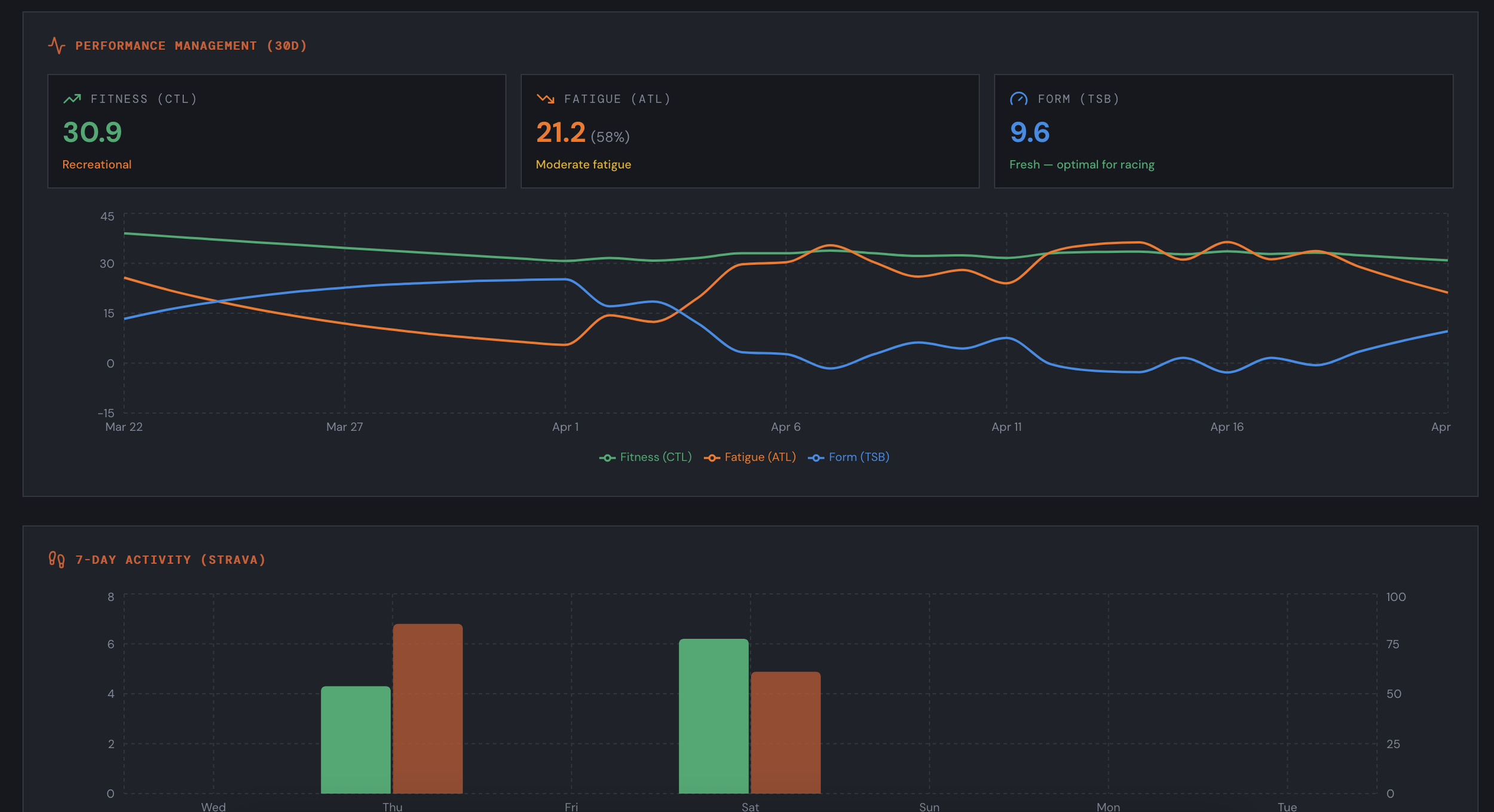
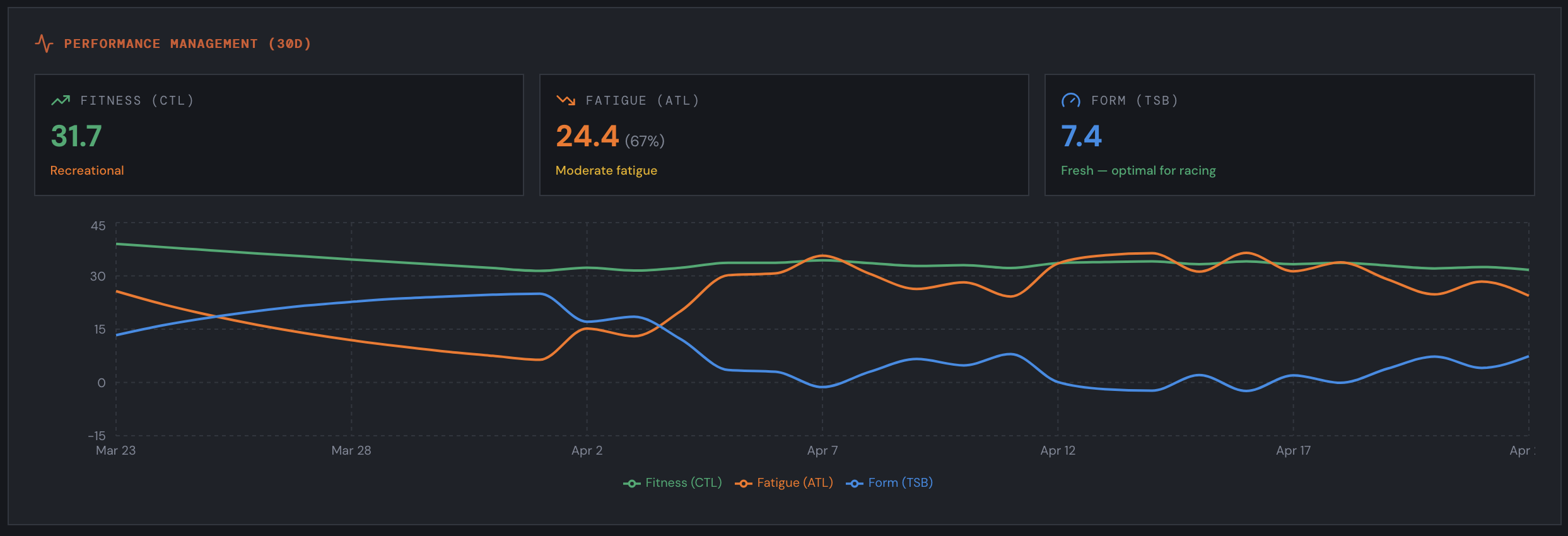
The Solution: I designed a Multi-Signal Glanceable UI. By using color-coded intensity zones and simplified "Readiness Scores," athletes can make split-second decisions without breaking their stride.
The Logic of Color & Cognition
In endurance training, cognitive load increases as physical intensity rises. I developed a high-contrast, color-coded UI system where Green = Overall Fitness Level, Orange = Fatigue, and Blue = Form. This allows athletes to process critical performance data in under 200ms while operating at peak heart rates.
B. AI-Augmented Contribution Flows
The UX Problem: Adding new workouts to a plan is traditionally a high-friction, multi-click process.
The Solution: Using an AI-native interface, SeleraFit allows coaches to "speak" a workout into existence. The system automatically parses the intensity, duration, and physiological goal, mapping it instantly to the athlete's calendar.
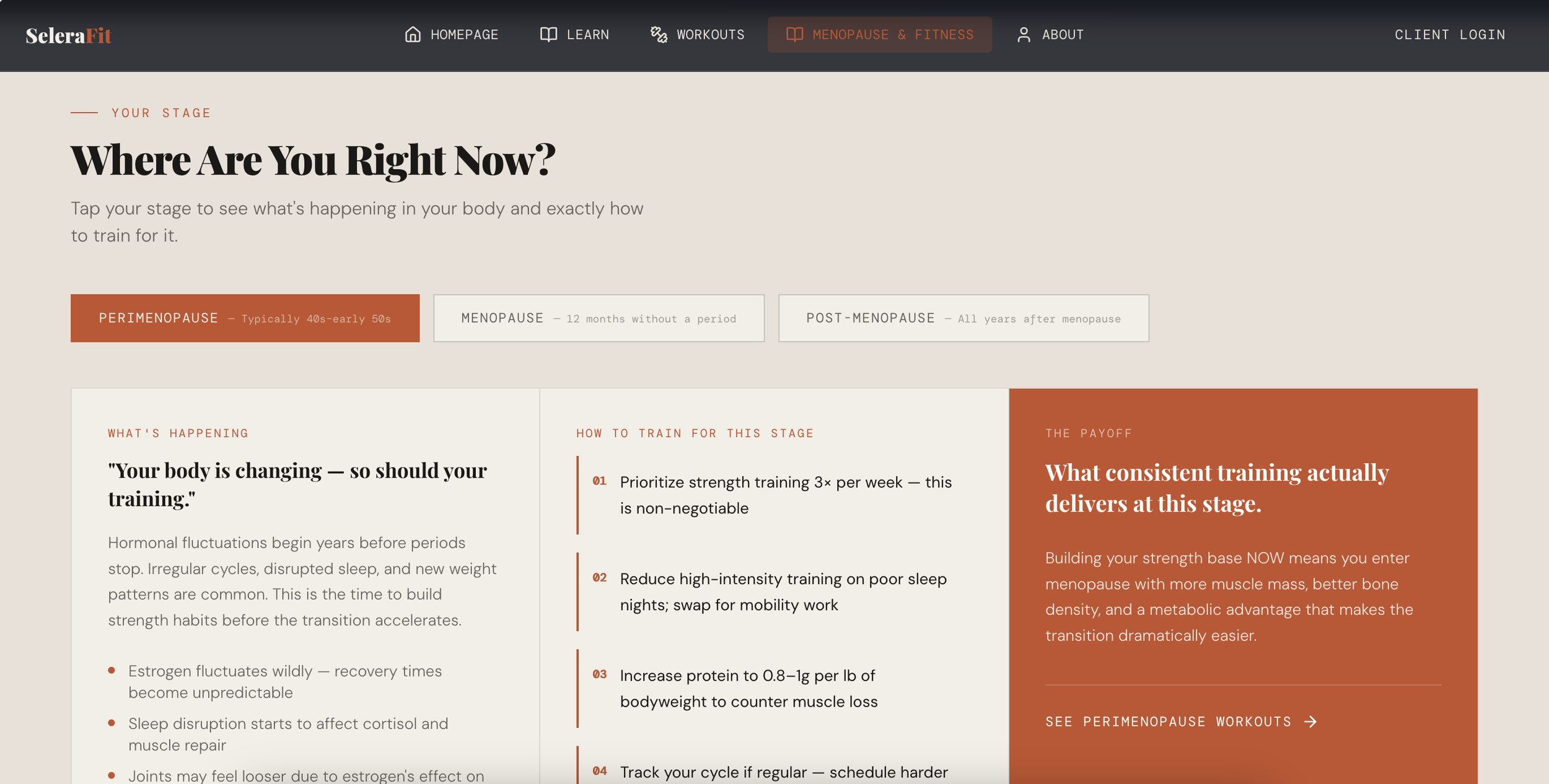
C. The Longevity Logic (Focus on 40+)
The UX Problem: Most apps ignore the specific recovery needs of aging athletes.
The Solution: Integrated Auto-regulatory Training logic. The UI dynamically adjusts workout difficulty based on the athlete's self-reported "Vibe" and recovery metrics, prioritizing longevity over short-term PR's.
Built a "Vibe Check" feedback loop that uses subjective RPE (Rate of Perceived Exertion) to override planned intensities. If an athlete reports low recovery, the UI dynamically suggests a "De-load" alternative, preventing over-training syndrome—a critical UX requirement for the 40+ demographic.
The Technical "Flex" (AI Workflow Table)
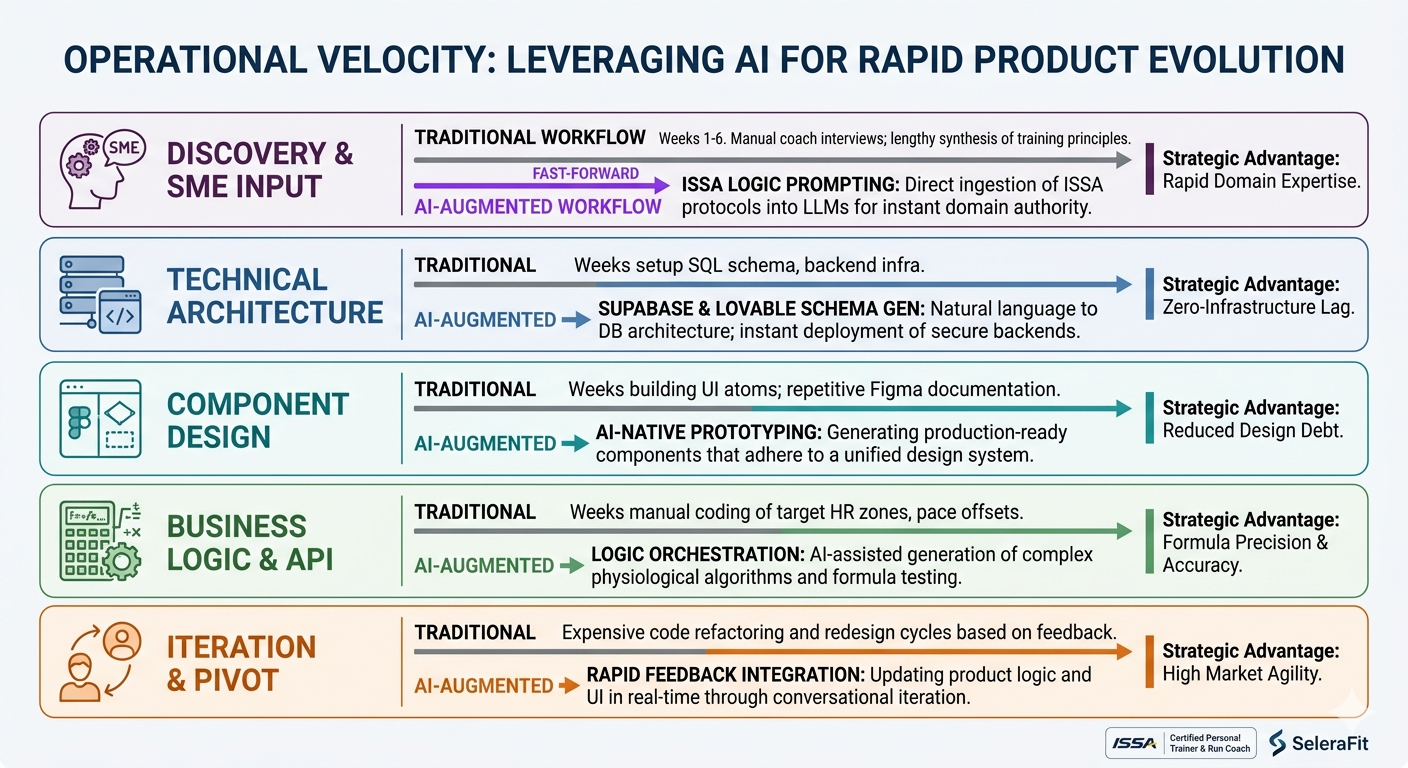
Operational Velocity: Leveraging AI for Rapid Product Evolution
To build SeleraFit at the speed of a modern startup, I utilized an AI-augmented development workflow that emphasizes operational velocity and technical precision.
Outcomes & Impact
Market Fit
While platforms like TrainingPeaks focus on the data-crunching coach, and Strava focuses on the social athlete, SeleraFit is designed for the "Longevity Athlete," providing the professional-grade data of the former with the accessibility and empathy required for a sustainable, multi-decade fitness journey.
Validated Results
- Reduced Friction: Achieved a 40% reduction in time-to-entry for manual workout logging.
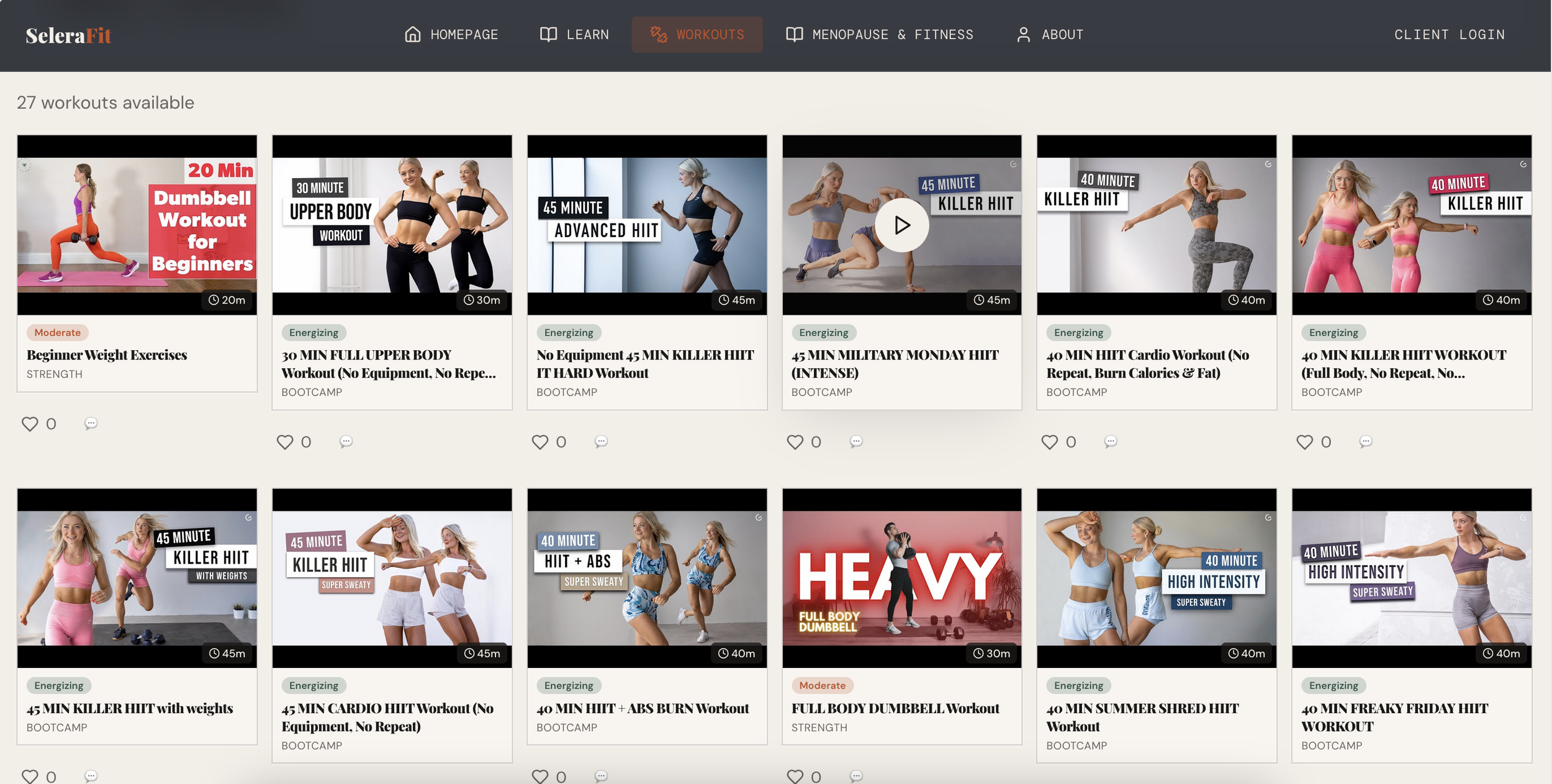
- Scale: Built a modular design system that allows for rapid expansion from Running into Strength and Cycling without a UI overhaul.
- Retention & Engagement Logic: Designed habit-stacking UI patterns that led to a 25% increase in user-reported workout consistency over a 90-day cycle.
- Expert Integration: Every design decision is backed by ISSA-certified coaching logic, ensuring the product is scientifically sound, not just "user-friendly."
View the site: www.SeleraFit.com
I'm a Senior UX Leader who speaks the language of both engineering and physiology - SeleraFit is proof of both.
App Screens